Lifetime Siding, Roofing and Construction

chimney safety risks chimney maintenance needs

A chimney can be such a diva to deal with. The professionals of chimney repair in Buffalo, NY, clarify that there are dangers involved in having a chimney. They add that regular upkeep must be done and the installation of some parts and devices undertaken to ensure everyone’s safety in the home. Let’s examine the different risks that come with chimneys and emphasize the ways to lessen the hazards they pose

The Risks

  • Chimney Fires – Creosote, a highly flammable byproduct of burning wood, can build up on the chimney’s inner walls over time. If it catches fire, the fire could quickly spread to the rest of the house and result in significant damage.
  • Carbon Monoxide Poisoning – Wood that doesn’t burn completely can release carbon monoxide, a colorless and odorless gas that’s deadly. It can accumulate inside the house due to a poorly ventilated chimney. Carbon monoxide poisoning causes headaches, dizziness, confusion, and even death.
  • Structural Damage – Since chimneys are constantly exposed to the weather, they experience wear and tear. Water infiltration becomes a common problem due to cracks. This will result in the mortar deteriorating further and creating structural instability. Under extreme conditions, the chimney could collapse in parts.
  • Animal Infestations – Birds, squirrels, and other animals searching for a place to nest may be drawn to chimneys. They will create obstructions, prevent adequate ventilation, and even raise the danger of fire or accumulation of carbon monoxide inside the house.

Maintenance Needs

  • Annual Inspections – Have your chimney inspected at least once a year. A Buffalo chimney repair expert advises that you should have a sweeper inspect your smokestack for blockages, structural damage, and creosote buildup. Inspections are crucial for guaranteeing the family’s safety.
  • Regular Cleaning – The chimney must undergo maintenance more than once a year, depending on how often you use your fireplace. Special tools are used to clear the flue, creosote, and other debris. Regular cleaning guarantees adequate ventilation and lowers the risk of chimney fire.
  • Masonry Repairs – The exposure of a chimney to the elements can cause the bricks and mortar to weaken over time. To extend the lifespan of your chimney, it’s a must that cracks are repaired, damaged bricks replaced, and the mortar joints repointed. Waterproofing the masonry is also an excellent idea.
  • Add Cap and Damper – A quick and easy method to keep water, debris, and animals out of the chimney is to install a chimney cap. It offers protection from the outside environment while letting the smoke out. A damper at the top of the fireplace enhances energy efficiency by reducing drafts entering and heat escaping.
  • Install Smoke and Carbon Monoxide Detectors – Smoke and carbon monoxide detectors in your home are a must. These devices set off alarms to warn your family to exit the house and call for assistance. Set them up on each floor of the house and test them frequently to make sure they’re functioning.

Sweeps Keep the Home Safe and Happy

That’s borrowing the Cockney accent of Dick van Dyke as the chimney sweeper in Mary Poppins. The professionals in chimney repair in Buffalo, NY, find the risks and fix them. Your smokestack’s basic needs are also part of the package they deliver. For a chimney to be in peak condition, especially before the cold months arrive, book our services at Lifetime Siding, Roofing, and Construction. Call 716-239-6476.
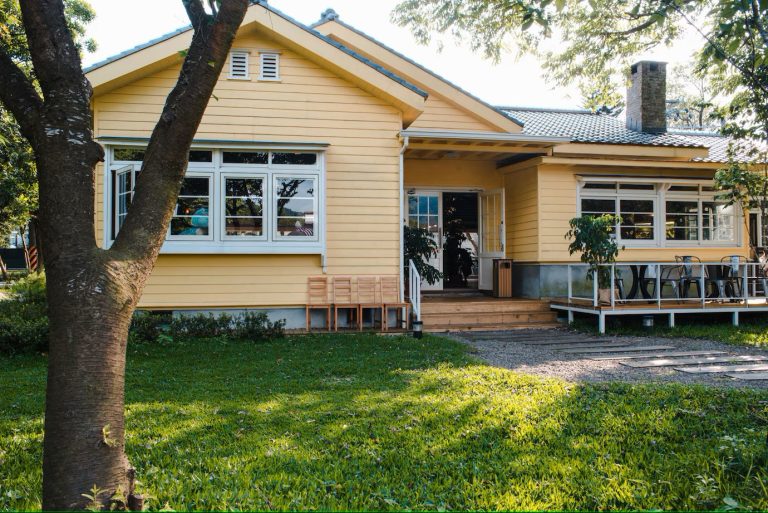
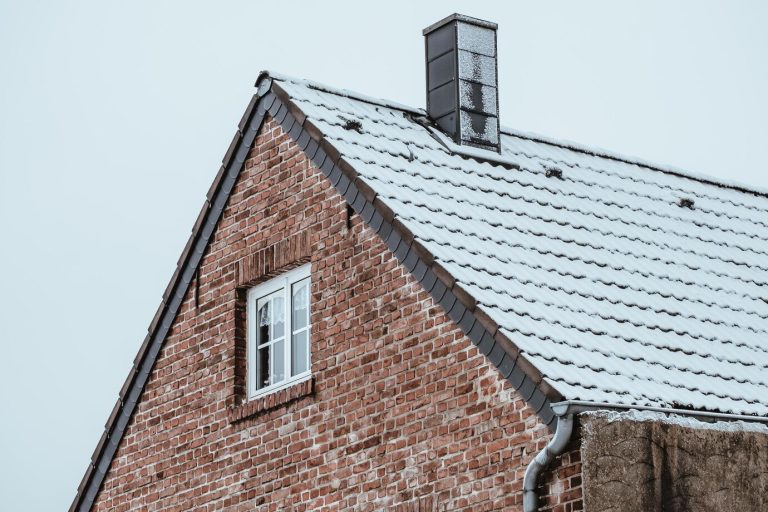
Siding is like the cherry on top of home improvement. This cherry might even add a few zeros to the property value. The experts in siding repair in Buffalo, NY, describe it as a part of the house that directly affects curb appeal. Let’s look at the impact of siding on the value of a property and the advantages of the different materials a homeowner can choose from

1. Curb Appeal

Potential buyers form an opinion on a house based on first impression. An attractive, high-quality siding can enhance the beauty of a house and draw an interested party to look inside even more.

  • Vinyl Siding – Because of its low maintenance requirements, affordability, and durability, vinyl is one of the most popular siding materials. It has a wide variety of colors and styles available for the homeowner.
  • Fiber Cement Siding – Fiber cement siding is known for its strength and ability to withstand the weather, rot, termites, and even fire. It can mimic the look of masonry, stucco, or wood and achieve an elegant appearance.
  • Wood Siding – Wood siding offers classic beauty and provides excellent insulation that can be customized with stains and finishes. However, wood siding requires more maintenance to prevent rot and insect damage.

2. Energy Efficiency

An eco-friendly siding would be worth looking into. If it lowers the power bill by preserving the temperature in the home effectively, that’s the one to consider. Energy efficiency is a big selling point to buyers.

  • Insulated Vinyl Siding – Foam insulation in this kind of siding improves its thermal efficiency. Insulated vinyl siding lowers heating and cooling costs. This material lowers your carbon footprint too.
  • Reflective Siding – Siding that reflects sunlight reduces the heat the house absorbs. During the warm months, when the home cooling cost can be high, this is a plus factor.

3. Durability and Maintenance

The lifespan and upkeep needs of siding affect the value of a house. Siding repair contractors in Buffalo, NY, advise the use of tough siding materials with low maintenance requirements.

  • Fiber Cement and Engineered Wood – These materials are known for being resistant to weather damage and pest infestation. Fiber cement and engineered wood siding are less expensive to maintain over time.
  • Metal Siding – Steel and aluminum metal siding provide exceptional longevity and minimal upkeep. It’s a dependable choice for long-term home protection because it’s resistant to fire, rot, and insects.

4. Resale Value

The return on investment (ROI) is a strong argument for a siding upgrade. Cost recovery after sale always gets a high score. Materials that are well maintained allow homeowners to recover their investment.

  • Vinyl Siding – This material has a high return on investment, recovering 70-80% of the initial cost. It’s a smart expense for someone who’s trying to increase the value of the house without going over budget.
  • Fiber Cement – The ROI on fiber cement siding is even higher, surpassing 80%. On top of that, fiber cement can be made to look classy, like masonry, stucco, or wood. It’s also durable and easy to maintain.

Renovate and Celebrate

The professionals in siding repair in Buffalo, NY, can’t emphasize enough how siding affects the value of a residence. It can make people’s heads turn and make them think your house would surely be a good buy. If you’re thinking of upgrading your siding, call us at Lifetime Siding, Roofing, and Construction at 716-239-6476.

chimney reconstruction structural integrity

Let’s talk about the centerpiece of cozy evenings and Santa’s sneaky entrance on Christmas Eve, the noble chimney. You see the symbol of warmth every day and deal with it whenever you have to put up a fire, but you may have forgotten that, aside from the firebox, there’s also the chimney above that needs your attention.

The experts in chimney repair in Buffalo, NY, point out that a chimney is essential to the safety and structural integrity of your house. Reconstruction to avert potential hazards becomes necessary due to the wear and tear that it suffers over time. In this post, we’ll be looking at how a chimney should be restored.

Initial Assessment

Have a professional do a comprehensive inspection of the chimney’s condition before starting any restoration. They’re able to identify existing damage and potential weaknesses in the structure. Mortar analysis and visual checks for moisture are essential to determining what needs to be done.

Design and Planning

Creating an architectural plan for the reconstruction is what comes next. To guarantee longevity and safety, factors like chimney height, width, and structural reinforcements must all carefully come into play. On a lighter note, you may even have to include an educated guess as to whether Santa will fit into it.

Material Selection

Selecting the right materials ensures the structural integrity of your chimney. Choose premium bricks, mortar, and other building supplies that will be a perfect match for the project you envision. It’s best to use modern materials that have a reputation for durability.

Reinforcement

An added support system for the chimney must be part of the design. This involves strengthening the structure and halting further deterioration by using anchoring techniques that add greater support or putting in stainless steel liners, which is the latest feature developed for chimneys to remain durable.

Proper Installation

It’s a must to hire professional masons for chimney reconstruction. In Buffalo, chimney repair must be done according to established building codes and the industry’s best practices. The use of appropriate installation techniques reduces the possibility of structural failures.

Weatherproofing

Because they are subjected to severe weather, the deterioration of chimneys happens quickly if they are not protected. Preventing moisture intrusion and outright leaks are the objectives for sealing chimneys against the elements with suitable flashing, chimney caps, and waterproof fillers.

Routine Upkeep

Regular maintenance is essential to maintaining the chimney’s structural integrity. You must hire professionals to do routine cleaning and inspections that can identify deterioration. If minor issues are dealt with early on, they can be prevented from becoming larger structural problems.

Compliance with Regulations

When rebuilding chimneys, adherence to regional building codes and regulations is a must. Ignorance of these requirements carries legal consequences that hinder a homeowner from enjoying a good job being done on the project. This explains why experts in the field are employed for this purpose.


Your Chimney is our Expertise

Rebuilding your chimney is all about planning for it, choosing the right design, going for the best materials, getting it installed right, and making it weatherproof, all of which has to be done in coordination with the professionals of the industry.

Very much like how chimney repair in Buffalo, NY, is done, it’s an investment that pays off in the long run if placed in the hands of experts. That brings me to where they can be found aplenty: Lifetime Siding, Roofing, and Construction. Call 716-239-6476.
home aesthetic tips durable style options siding

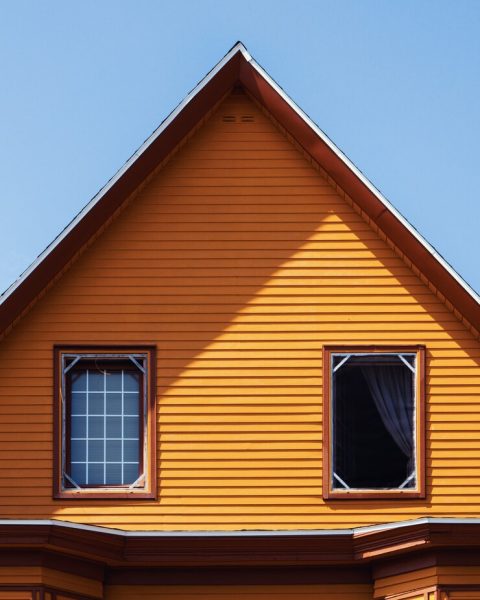
You could go for the timeless appeal of clapboard, the robustness of brick, or perhaps something more unusual like aluminum. Whatever your choice, those who do siding repair in Buffalo, NY, suggest that the external cover of your house should be a reflection of your values and personality.

Selecting the ideal siding for your home is a decision that needs to be carefully thought out. It must consider durability, appearance, and maintenance requirements. Here’s a thorough guide that will assist you in making a well-informed choice.

Available Materials

Familiarize yourself with the range of available materials. They all have a unique set of properties, benefits, and drawbacks. When choosing any of them, consider budget, climate, desired aesthetic, and maintenance preferences. The common materials used for sidings are:

  • Vinyl – Affordable, low maintenance, and a wide range of design and colors
  • Wood – Has natural beauty and charm, but needs maintenance to prevent rot, mold, and insect damage
  • Fiber Cement – Durable, fire-resistant, and could look like wood without decay
  • Metal – Aluminum or steel, is the best protection against the elements
  • Brick – Elegant, durable, and low maintenance, but more expensive

Style and Aesthetics

Siding is a major factor in determining the architectural style and curb appeal of your house. There are siding options to match your preferred aesthetic, whether it be traditional (vinyl), rustic (wood), modern (metal panel), or classic elegance (brick). Select siding that complements your home’s overall design while enhancing its visual appeal by taking cues from the surrounding landscape and architectural style.

Durability and Maintenance

Even though appearance matters, the durability and upkeep of sidings have to be taken seriously. Siding repair contractors in Buffalo, NY, will insist that your siding should be resistant to damage from moisture, UV rays, pests, and extreme temperatures. To guarantee that your investment is safeguarded over time, the lifecycle expectations and maintenance requirements of every siding material must be taken into account.

Energy and Efficiency

Your siding can improve the durability and aesthetic appeal of your house while also increasing its energy efficiency. Insulated siding options, like foam-backed vinyl or insulated fiber cement, can enhance indoor comfort, lower energy costs, and improve the thermal performance of your home by minimizing heat loss and penetration of outdoor temperature.

Budget Considerations

When choosing siding for your home, take your budget into account. Remember that, even though some materials might cost more upfront, their reduced maintenance needs and increased energy efficiency could result in long-term savings. Consider installation, upkeep, and possible energy savings when evaluating the total cost of ownership. Ensure that your choice is well-informed.


Your Family’s Safe, Your Home Looks Great

The contractors who provide siding repair in Buffalo, NY, stress the importance of choosing your material based on style, durability, rate of maintenance, energy efficiency, and budget. You can go for the classic charm of brick, the eco-friendly fiber cement, the natural beauty of wood, the modern metal siding, or the practical vinyl.

Be sure you are aware of their benefits and drawbacks. Install the siding that will assure you that your home is protected. When making the final choice, you must do it in consultation with an expert. Come see us at Lifetime Siding, Roofing, and Construction, or give us a ring at 716-239-6476.

roof damage indicators critical roof repair signs

Protection is what roofs are all about. If the roof is in good condition, it acts as a barrier against snow, hail, rain, and sunlight. On the other hand, if your roof is in poor condition, your home may develop leaks, mold, mildew, and other problems.

Despite the roof’s importance in keeping your family and residence safe, experts of roof repair in Buffalo, NY, say it’s often ignored until an issue arises. Keep in mind that, aside from routine maintenance, it will also need occasional repairs. So, how do you determine if your roof needs to be repaired or replaced?

Age of Roof

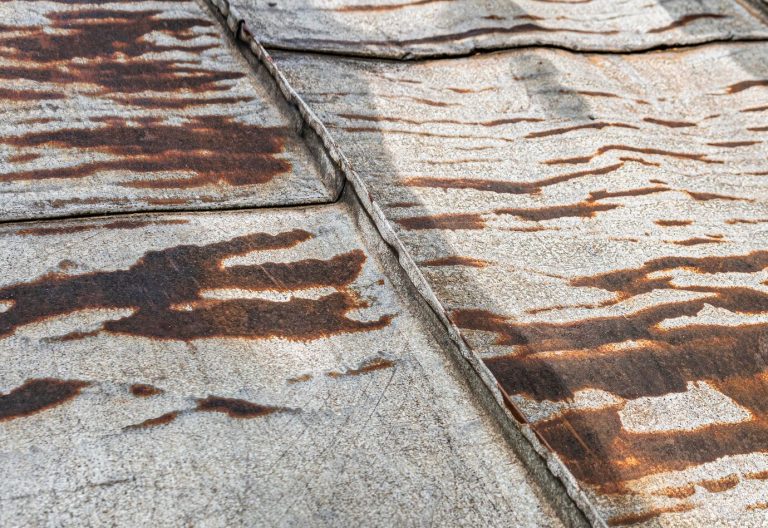
Your roof’s age is an important consideration in determining whether it needs to be replaced or repaired. Roofs made of asphalt shingles typically last 20 to 25 years. It’s longer for metal or tile roofs. Have your roof checked by a professional to determine if it should already be changed or can be maintained.

Missing or Damaged Shingles

Look out for shingles that are curled, cracked, or have disappeared. Damaged or missing shingles will surely cause leaks. If more shingles are compromised, you might require the entire roof to be replaced.

Water Stains or Leaks

Water stains on the ceiling and walls are sure signs that the roof is leaking. But by the time water stains show up inside, your roof and attic might already have significant damage. Inspect your attic for water damage, like wet areas, mold or mildew growth, or standing water after a downpour.

Granule Loss

Roofers in Buffalo, NY, explain that granules in asphalt shingles make them fire-resistant and give ultraviolet protection from the sun. These granules may erode with time. If you see bald spots on them or an abundance of granules in the gutters or downspouts, a roof will need maintenance.

Wear and Tear

Step back and look at your roof from the ground. Drooping sections, irregularities, or an accumulation of algae or moss growth point to possible structural issues underneath that require attention.

Loose or Damaged Flashing

To stop water from leaking into your home, install flashing or metal protection, usually galvanized metal, around vents, chimneys, skylights, and other protrusions on the roof. Water damage and leaks may result from loose or broken flashing that leaves gaps for water to enter.

Increased Power Bills

A damaged roof can lead to increased energy expenses for your house. Because of inadequate insulation, it permits air to enter or leave your home and this can lead to an increase in heating or cooling expenses.

Mold or Mildew

Mold or mildew in the attic is an indication of excess moisture and needs to be addressed. They thrive in damp environments. These are signs of a possible roof leak or ventilation problem. It’s also a health risk to the family.


Roofing Done Right

By keeping an eye out for the red flags we just mentioned, you can determine if your roof needs replacement or repair. The professionals of roof repair in Buffalo, NY, will always advise scheduled upkeeps to prolong the life of your roof and ultimately save money.

Don’t hesitate to contact a roofing contractor to evaluate the condition of your roof. Contact Lifetime Siding, Roofing, and Construction. We have a team of expert roofers that can undertake all types of damage repairs. Call 716-239-6476.

roof maintenance and inspection

Your home’s roof is more than simply a covering; it serves as your first line of defense against the elements. Contractors of roof waterproofing in Buffalo, NY, emphasize that a well-maintained roof maintains the safety and structural integrity of your home.

Neglecting roof maintenance and repair can result in costly damage and safety risks. To keep your roof in good shape, prioritize regular checks and upkeep. Let me give you ten pointers that can help you take care of your roof effectively.

1. Schedule Inspection and Maintenance

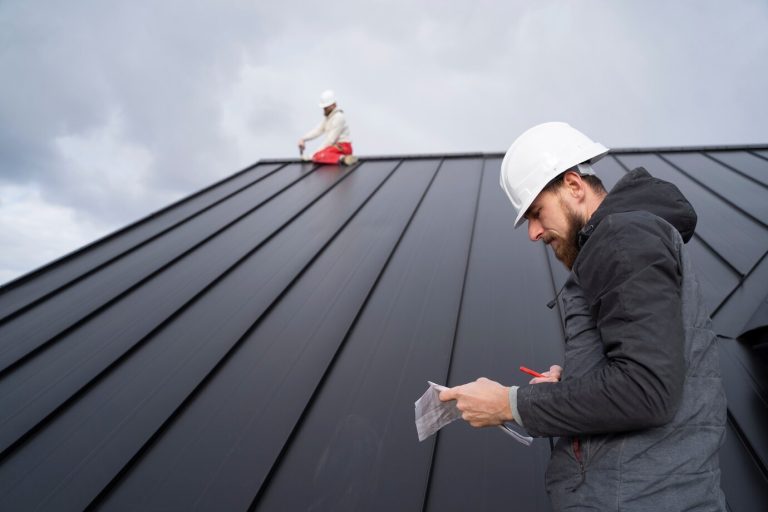
Make a habit of having your roof looked over at least twice a year, especially in the spring and fall. Check for signs of damage, like cracked or missing shingles, loose flashing, and bent areas. Addressing concerns as soon as you notice them will help to prevent their worsening. Always employ a professional roofer.

2. Clear Debris

Leaves, branches, and other debris can accumulate on the roof and cause water pooling, which could result in serious damage. This obstruction can lead to water backing up under shingles and into the house.

3. Check for Leaks

Water stains on your ceiling or walls are clear indications of a roof leak. Inspect your attic for evidence of water entry, such as a damp spot or mold growth. Address leaks immediately to prevent them from damaging your home’s roof structure and interior.

4. Replace Damaged Shingles

Damaged or missing shingles jeopardize the structure of your roof and are susceptible to leaks. Replace any cracked, curled, or missing shingles as a way to further deteriorate the roof.

5. Seal Flashing

Flashing around chimneys, vents, skylights, and other structures that penetrate the roof tend to weaken and lose their effectiveness. Once evidence of deterioration or corrosion is found, apply cement or caulk to reseal gaps and avoid water intrusion.

6. Trim Overhanging Branches

Those who do roof maintenance in Buffalo, NY, warn that trees near the house can cause damage to your roof during storms. Trim overhanging branches to keep them from scraping against the roof or, worse, falling on it.

7. Keep Gutters Clean

Water overflow from clogged gutters can destroy your roof and siding. It may also result in seepage inside the home. Cleaning gutters regularly ensures efficient drainage and prevents water from backing up and harming the roof.

8. Check for Mold and Algae

The growth of mold and algae on the roof not only takes away from its beauty but also threatens its structural stability. Use water and bleach on the roof. Protect yourself and the surrounding plants from the solution.

9. Invest in Roof Coatings

A protective coating on your roof will improve its longevity and weather resistance. Roof coatings help seal gaps and prevent leaks. The extra layer of protection also reflects sunlight and lowers energy expenses for cooling the home.

10. Be Aware of Weather Conditions

Tune in to weather forecasts. Take precautions by climbing up the ladder and giving your roof a look. Look for any signs of damage, loose fixtures, and branches that are hanging over the roof.


Expertise that Exceeds Expectations

Roof waterproofing in Buffalo, NY, follows these two basic roof maintenance guidelines to preserve your home’s long-term durability: regular inspections and rapid repairs. They are essential for protecting your home from the weather and keeping your family safe. If you need expert roofers, call Lifetime Siding, Roofing, and Construction at 716-239-6476.

roof inspection

We’re here to compare the two competitors in roofing: the DIY aficionado armed with duct tape and resolve versus the professional with, well, actual tools of the trade and expertise. When faced with roof problems, homeowners have to choose between them.

According to those who specialize in lifetime siding, roofing, and construction, the dependability of your rooftop translates to the safety and lifespan of a house in general. Hence, we’ll discuss the pros and cons of taking on the task yourself or hiring a professional so that you can make an informed decision.


DIY Benefits

• Savings – The most tempting part of DIY roof repair is the savings on expenses. It cuts the labor cost of hiring specialists. Homeowners can also choose less expensive materials without sacrificing quality.

• Flexibility – DIY work allows individuals to work on their schedule. They can do the project without waiting for experts to become available. This flexibility is useful for small repairs or maintenance operations.

• Sense of Accomplishment – A DIY roof repair done yourself can be satisfying. It empowers a homeowner by instilling confidence in the ability to do house maintenance duties.


DIY Downsides

• Safety Concerns – Roof work may be dangerous for many wannabe DIYers. Climbing onto rooftops without experience increases the danger of accidents or injury.

• Quality Issues – Without the precision and quality that skilled workers deliver, the work might turn out to be inferior and result in expensive corrections in the future.

• No Warranties and Insurance – DIY work may cancel roofing warranties that require the use of experts to stay valid. Your house insurance will most likely not cover any accident or damage during the project.


Benefits of Professional Work

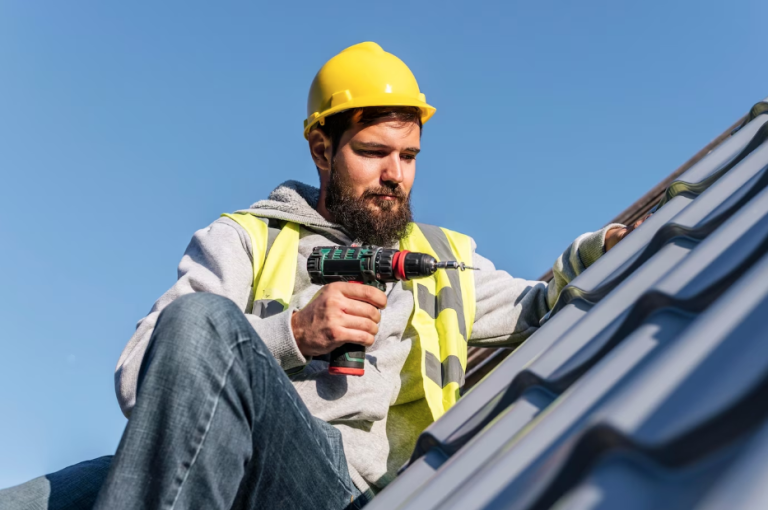
• ExpertiseRoofing contractors in Buffalo, NY, recommend using expert roofers in your maintenance project. It guarantees that repairs are done right the first time and reduces the likelihood of future problems.

• Quality – Hiring pros ensure superior craftsmanship and long-lasting effects. On top of that, contractors provide guarantees on their work, giving homeowners peace of mind.

• Safety – Professional roofers follow stringent safety rules and laws to reduce the likelihood of accidents. By delegating repairs to specialists, homeowners minimize potential risks.

• Convenience – With professionals on the job, a homeowner can save time and focus on his or her own livelihood. A contractor guarantees no interference in the homeowner’s daily life.


Downsides of Professional Work

• Cost – Hiring specialists for roof repair involves greater upfront expenses than DIY. It’s an investment that assures high-quality work, but it may be too expensive for many households.

• Dependence on Schedule – Getting an appointment with a roofing contractor may involve waiting, especially during the fall. Homeowners must time necessary repairs with the availability of specialists.

• Lack of Control – Entrusting work to specialists could imply giving up control over preferences for materials, processes, or schedules to the contractor. Effective communication is key to resolving this.


We Have You Covered

The decision on whether to work on your roof yourself or hire a professional to do it will depend on whether you have the expertise for a job well done and how much you’re willing to spend on lifetime siding, roofing, and construction projects. Consider the benefits and downsides already mentioned and take it from there. Call Lifetime Siding, Roofing, and Construction at 716-239-6476.

Certain factors can affect the longevity of your roofs, such as the inevitable severity of weather conditions and different forces of nature. High exposure to the scorching and harmful rays of the sun and different storms can do significant damage and impact your roofs. However, as people say, if you take good care of things and do the proper roof maintenance in Buffalo, NY, you can make your roofing system last longer. 

If you are seeking ways to properly evaluate your roofing system and see what repair needs to be done, then this blog will help you. Here is a list of what you can do to ensure the longevity of your roofing system:

Understanding the Sustained Damage

Before opting to repair your roof on your own, you should consider understanding the degree of damage sustained by your roof. This step is crucial to see how much your roofing system needs the right repair, or if, in any case, the severity is not within your ability to repair, then you can call for trusted roofing contractors to repair your roof. Some general damage you can identify includes missing shingles, water seepage, and damaged flashing.

The Importance of Conducting a Thorough Roof Inspection

Habitual roof inspections are important to maintain and ensure the longevity of your roofs. During post-storm inspection, do not forget that you should make your safety your utmost priority. To start your inspection, start with a visual inspection by looking for the obvious damages, such as loose or damaged shingles, debris on your gutter systems, sagging areas, water stains on your ceiling, and bent flashing. 

Move to a thorough inspection once you have secured areas in your roof and searched for underlying issues, such as tiny cracks and seemingly subtle issues that may pose a potentially huge future risk to your roof. Also, do not forget to inspect your attic and check for signs of moisture and water leakage. Avail of repair services and waterproofing in Buffalo, NY, to secure your attics and your whole roof. However, here is an important reminder. If you are unsure if your roof is safe for inspection, it is better to avail yourself of the services of trusted roofing contractors in your area.

Necessary Steps to Address Roof Damage

After the inspection and you have seen the gravity or degree of damage your roof sustained, you can move on to the necessary steps you need to repair and restore your roof. If you are wondering how you can address the issue at hand, you can opt for any of the below:

  • Contact a Professional Roofer
    Professional roofers have the expertise to determine the damage to your roof and provide you with the best solutions.
  • Temporary Repair
    You can do some temporary repairs on your roofs if you have the necessary tools, materials, and type of equipment to do so. Or while waiting for your professional roofer to accomplish the much-needed repair. 

File a Storm Damage Insurance Claim

To successfully file for a successful roof storm damage insurance claim, you have to document the damage by capturing clear videos and photos before you make any temporary repairs. This will serve as your evidence for your claim. Contact your insurance company, report the damage, and be guided through the process. Always keep detailed records with you, and keep in touch with your insurance company. Review your insurance policy and understand your requirements and coverage limits.

If you struggle with the assessment of your roof and you are concerned for your well-being, it is time to let the professionals do the job. Allow our roofing experts at Lifetime Siding, Roofing, and Construction to evaluate and repair any storm-related damage to your roof. We also offer roof maintenance in Buffalo, NY. For more inquiries about our services, reach us at 716-239-6476.

Proper roof deck installation is of utmost importance in ensuring the structural integrity and longevity of a home or building. Roofing contractors in Buffalo, NY, will tell us that, while shingles, tiles, or metal panels receive the most attention, the roof deck, which is the structural base that supports the roof covering, must be addressed. 

Remember, folks, its proper installation isn’t just about avoiding a stained ceiling in the living room or wherever else in the house. A well-done foundation provides a sturdy platform for roofing materials. Let’s now explore the different factors that architects and contractors consider when safeguarding your investment.

Structural Integrity

A well-built roof deck provides a solid base for the roof. It spreads the weight of the roofing materials evenly and prevents sagging, buckling, or collapse. Whether it’s a residence, a commercial building, or an industrial facility, it must be planned and built to meet the structural requirements imposed by building codes, climate conditions, and architectural design.

Water Damage Prevention

A rooftop with an adequate underlay serves as an effective barrier against water infiltration. It acts as another protective coating. Flaws in the roof deck installation can cause leaks, moisture, and water damage to the building’s ceilings, walls, insulation, and electrical systems. Over time, water entry can cause mold growth and jeopardize the building’s structure.

Stable Support for Roofing Materials 

Shingles, tiles, and panels all need a sturdy deck to support them. A well-installed roof deck ensures that your roof is securely fastened. The contractors of roof repair in Buffalo, NY, guarantee that roofing materials are more resistant to wind uplift, thermal expansion, and other environmental stressors if the foundation they’re laid on is stable. Otherwise, damage may occur during extreme weather. 

Energy Efficiency Improvement

A well-insulated roof deck can considerably improve the energy efficiency of a structure. It helps maintain the temperature inside the house. Naturally, this decreases reliance on heating and cooling systems, resulting in cheaper energy costs and a smaller carbon footprint. A roof deck that’s not installed the right way can result in energy loss and discomfort for the people living or working there.

Fire Resistance

Fire safety is an important factor during building construction. A fireproof roof deck can help prevent the spread of flames. They are typically constructed using wood that’s treated with fire-retardant, steel, or concrete in locations that are prone to wildfires or where building rules require increased fire prevention measures. This is essential for minimizing the risk of fire-related damage or loss.

Long-Term Durability

Investing in appropriate roof deck installation pays off in the long term because it extends the lifespan of the entire roof system. Not only does it survive the impacts of time, but a durable roof deck can also survive the weather and mechanical stress. Regular inspection and maintenance can help uncover problems and keep small issues from turning into costly repairs.


Your Roof is Our Priority

Proper roof deck installation guarantees a building’s stability, durability, and safety. The roofing contractors in Buffalo, NY, point to the roof deck as crucial to the overall performance of your roof because it supports the rooftop while guarding against water damage and increasing energy efficiency.

By investing in quality materials and, above all, professional installation, property owners can enjoy peace of mind knowing that their roofs are built to last. Get in touch with Lifetime Siding and Roofing at 716-239-6476.

Homes are ravaged by storms when it’s that time of the year again, and the most vulnerable part of the house is your roof. Ask the experts in roof waterproofing in Buffalo, NY, and they’ll tell you that severe weather, like high winds, heavy rain, and hail, can cause substantial damage to your roof if it’s not adequately protected. 

What if, on a quiet afternoon, the wind starts howling like a pack of wolves, huge raindrops create a racket, and the roof flaps like a fish out of the weather? Be warned: when the roof goes, that’s it. Here are steps you can take to stormproof your home and keep it safe:

  1. Regular Checkups and Maintenance
    The first step in protecting your roof against extreme weather is to schedule professional inspections at least once a year. Look for loose or broken shingles, cracks in the flashing, and any evidence of wear and tear. Attend to them right away. This keeps them from worsening, especially during a storm.
  1. Secure Loose Items
    Before a storm arrives, secure any parts of the roof that are loose. We’re referring to things like satellite dishes, antennas, and solar panels. Extremely strong winds can turn them into dangerous projectiles once ripped off, and they can cause damage not only to your roof but also to surrounding structures or cars.
  1. Use High-Quality Materials
    When installing or repairing the roof, use first-rate materials. Impact-resistant shingles, high-grade metal roofing, and reinforced underlayment can all offer better protection. These materials may cost more, but they eliminate the need for regular repairs or replacements and will save you money in the long run.
  1. Proper Installation
    The success of storm-proofing the roof lies in proper installation. Contractors of roof maintenance in Buffalo, NY, advise the importance of hiring professionals with a track record of quality work. Roofs that aren’t installed the right way are more likely to result in complications.
  1. Trim Trees and Branches
    Overhanging trees and branches can cause serious damage to your roof during a storm. Strong winds can cause them to fall and damage the rooftop. Trim back any branches that dangle over your roof, and, better yet, remove trees that are too close to the house.
  1. Ensure Proper Drainage
    Proper drainage is critical for avoiding water damage to your roof during strong rainstorms. Ensure the water flows smoothly by cleaning your gutters and downspouts regularly. Install gutter guards to keep debris from clogging the system. Effective drainage keeps water from accumulating on your roof and causing leaks.
  1. Emergency Preparedness
    Be prepared for the worst-case scenario. Have an emergency plan in case your roof is damaged during a storm. Know how to safely turn off utilities and make prior arrangements to contact roofing professionals for help. Keep tarps and other temporary roofing materials on hand to minimize damage until help comes.

Where Quality Meets the Storm

Protect your home against severe weather by storm-proofing your rooftop. The practice of roof maintenance in Buffalo, NY, stands by the importance of maintenance, using high-quality materials, and the removal of trees or overhanging branches to protect your roof. They ensure your home’s protection against the elements.

If you’re thinking about whom to reach out to when it’s time to fortify the roof against storms, Lifetime Siding and Roofing is your best bet. Call us at 716-239-6476.

wpChatIcon
wpChatIcon